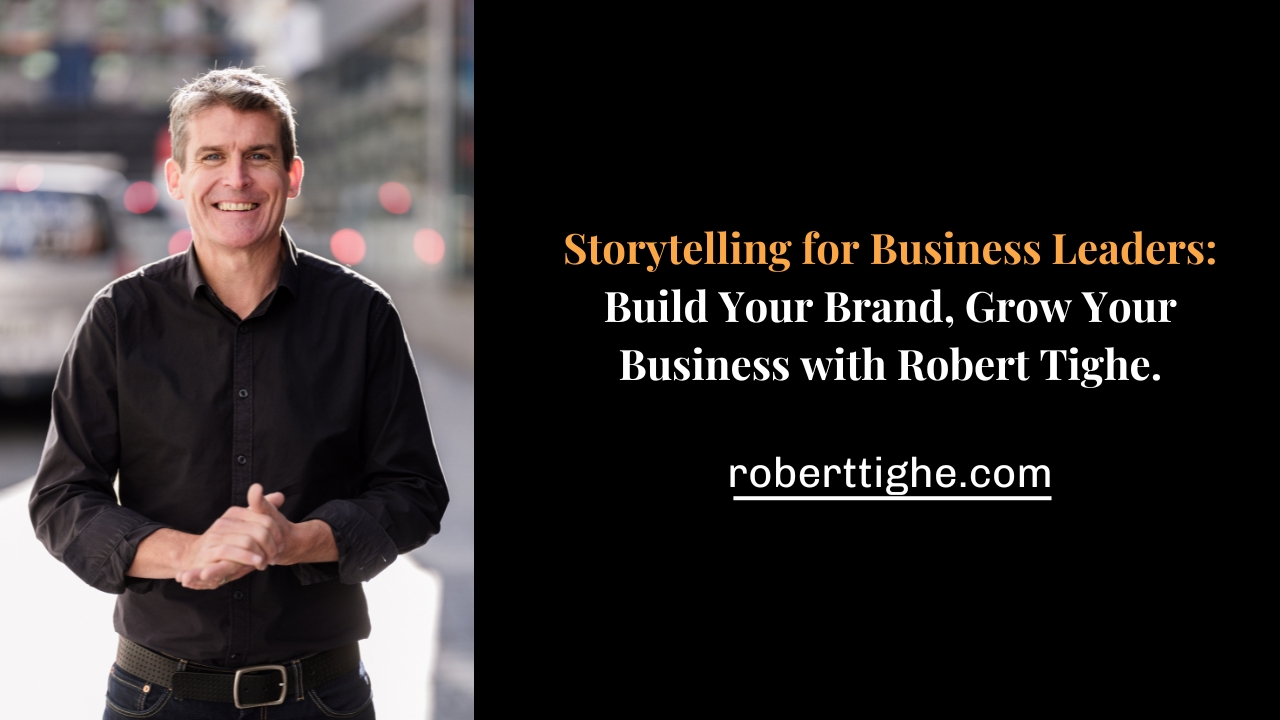
New Zealand Ghostwriter
Tell better stories with an award-winning business storytelling writer.
I can help you write your book, bio, speech, presentation, or LinkedIn content.

Storytelling isn’t hard.
But finding and sharing the right stories is the key to storytelling in business.
I’ve distilled what I’ve learned from 20 years as an award-winning journalist and a ghostwriter for entrepreneurs into a powerful process that makes it easy to mine your past for meaningful stories.
I’ve helped hundreds of people tell their stories. I work with business leaders to write books, bios, speeches and presentations to share their knowledge and expertise.
One of the privileges of working with business leaders to help them tell better stories is the opportunity to hear the secrets of their success.
A few years ago, I was lucky enough to work as a ghostwriter on Tony Quinn’s book Zero to 60.
Zero to 60 went to No.1 on the NZ non-fiction bestsellers list and received over 130 reviews on Amazon with an average of 4.4/5.

If you’re like most business leaders, the thought of sharing stories about the journey you’ve been on makes you cringe.
But, in a world where AI-generated content is making it more and more difficult to stand out from the crowd, your story is about the only asset your competitors can’t steal from you.
ChatGPT might be able to churn out content for you, but it can’t capture your voice or your unique journey.
It can’t explain where you’ve come from or why you’re so passionate about what you do.
As a New Zealand ghostwriter, we can meet in person or via Zoom to to translate your thoughts, ideas, experience and expertise into a compelling story to celebrate your career or connect with your audience.
I’ve worked with clients in NZ, Australia, Dubai, Ireland and the US.
But don’t just take my word for it.
I’ll let some of my clients share their stories…
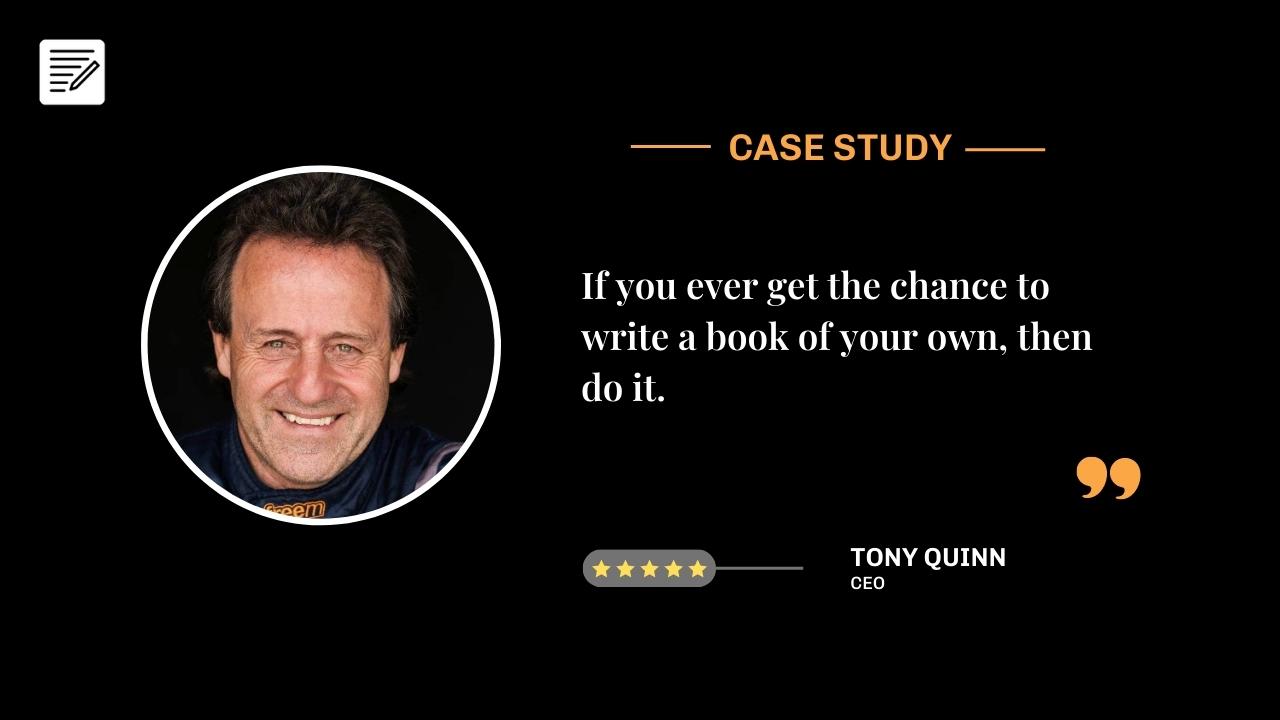
“If you ever get the chance to write a book of your own, then do it.”
One of the privileges of working with business leaders to help them tell better stories is the opportunity to hear
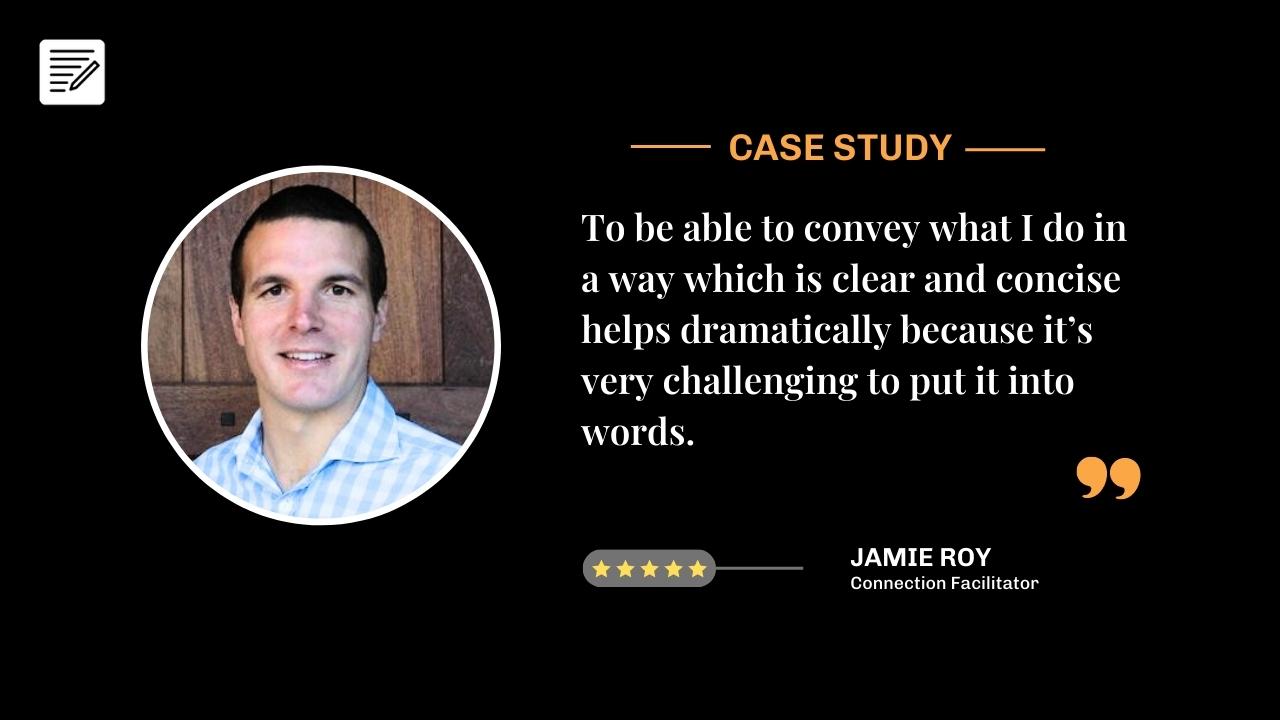
“It ties my story together in a way in which I would struggle to communicate myself because it’s not my strength.”
Jamie Roy’s background is in professional connection and he’s coached hundreds of business owners on how to connect online and
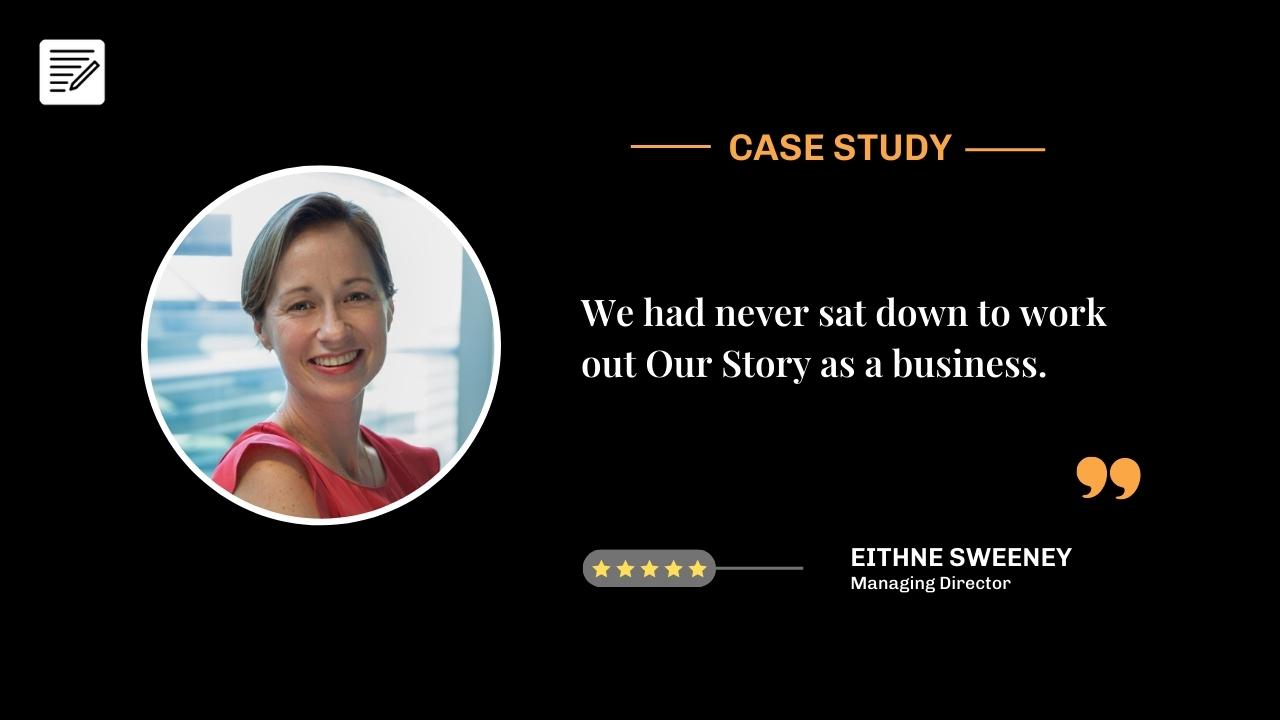
How telling their Origin Story helped two co-founders get clarity on their purpose
Wires Uncrossed helps technical experts and cross-functional teams connect and deliver more value through better communication. The company is run

 Front Row Productions2024-04-01If Storytelling is an art, then Robert Tighe is an artist. We have worked with Robert on a few projects to help us dig deep into a brand's true story. Robert is a great communicator and knows how to get great results for his clients. We highly recommend Robert to anyone who has a story to tell. Which is everyone.
 Iain Menmuir2024-01-21Framing a career lifetime of experience, in my case around 35yrs and a myriad of roles, into 500 words or less is remarkable. Its precisely what Robert has done! He has taken all our chats, his reading and research and produced a succinct and clear journey for anyone to read to help understand what my journey has been. We thing its pretty engaging too! I recommend Robert with complete certainty he will impress you.
 Dan Minkin2023-12-14I found working with Rob to be extremely easy and satisfying. Our sessions were helpful in allowing me to improve my presentation content and manner, while allowing me to keep my own style throughout.
 Bruce Trevarthen2023-07-05Robert takes the time to deeply understand the topic and his writing reflects that. So many writers apply too much of their own assumption to the topic, especially with technical writing, which can result in substandard outputs. Robert stays true to the source material and delivers very readable and articulate copy. Highly recommended.
 David Fish2023-05-28Partnering with Robert on a program we delivered in Australia was a great experience. He brings a depth of knowledge and insight from his time as a journalist that makes a real difference to how teams and individuals think about their personal stories and what defines them. I hope that we get the opportunity to work together again in the future. Fishy
 Stu Lees2022-07-05Robert has been transformational in my perspective of storytelling in my content. His process is simple and elegant so that anyone can do it - so if you are wanting to take your personal brand to another level - you should talk to him
 Simon Whyte2022-02-22“Robert presented to Weave Group after we worked together to discuss how his Origin Story programme could also be adapted to engage business audiences focused on business growth, leadership development and staff engagement. I have always found him to be trustworthy, personable, adaptable and pragmatic. Robert’s Origin Story sessions for me at Weave were very well received. His Origin Story provides a very useful tool by which business leaders can share their personal stories of background, learning and experience to increase customer & staff engagement. It’s power is rooted in the sharing of an authentic personal story or experience that shows the human qualities and experiences of the presenter and grows connection and understanding. I consider it a powerful new tool whose quality and potential has already been identified by practitioners in leadership development. “
 Julia Grace (Julia Grace)2021-09-14Robert’s ‘Your Origin Story Workshop’ was a thought-provoking, practical and professionally run event. Robert is an expert in the field of story telling and his way of getting the audience to dig into and create their own stories was brilliant. I came away feeling inspired and educated and with a file of great story ideas under my belt. Robert is a pleasure to work with, I highly recommend him for your business to help with visibility and authenticity.
 Richard Howarth2021-09-06Robert is a story telling expert, combining logic, business principles, art and creativity. He’s empathetic yet pushes you to think how your story can be applied and interpreted. The whole Origin Story process was fun, yet I’m already experiencing the commercial benefit. Highly recommended.
 Simon Fawkes2021-09-04I attended Robert’s “Your Origin Story Workshop” and I highly recommend it. The way he told his origin story was a great way to explain the power of this type of story. He made all the participants feel comfortable so that we could all tell some of our stories. Good stories resonate and are memorable.
Featured Posts
Latest Articles:
How do you write a book with a ghostwriter?
What is a ghostwriter and how do you find one to tell your story?
How Stories Help You Connect With Your Customers
Ten Tips to Make you a More Confident and Convincing Writer
Feel the Fear and Share Your Story Anyway
12 Steps to Sharing Your Stories on LinkedIn to build your personal brand
Unlock the potential of your story
Story Shorts
Get Weekly Tips To Harness the Power of Storytelling to Attract Attention, Build Trust, and Influence Your Audience.
We won’t send you spam. Unsubscribe at any time.